On November 12, 2026, the U.S. Department of State said its task force had revoked more than 6,000 visas associated with people it described as participating in or facilitating birth tourism. Its official post did not give a breakdown by nationality or visa category or state the basis for individual decisions. For B visitor visa applicants, the governing regulation focuses on the primary purpose of travel. State Department announcement
How consular officers assess the primary purpose
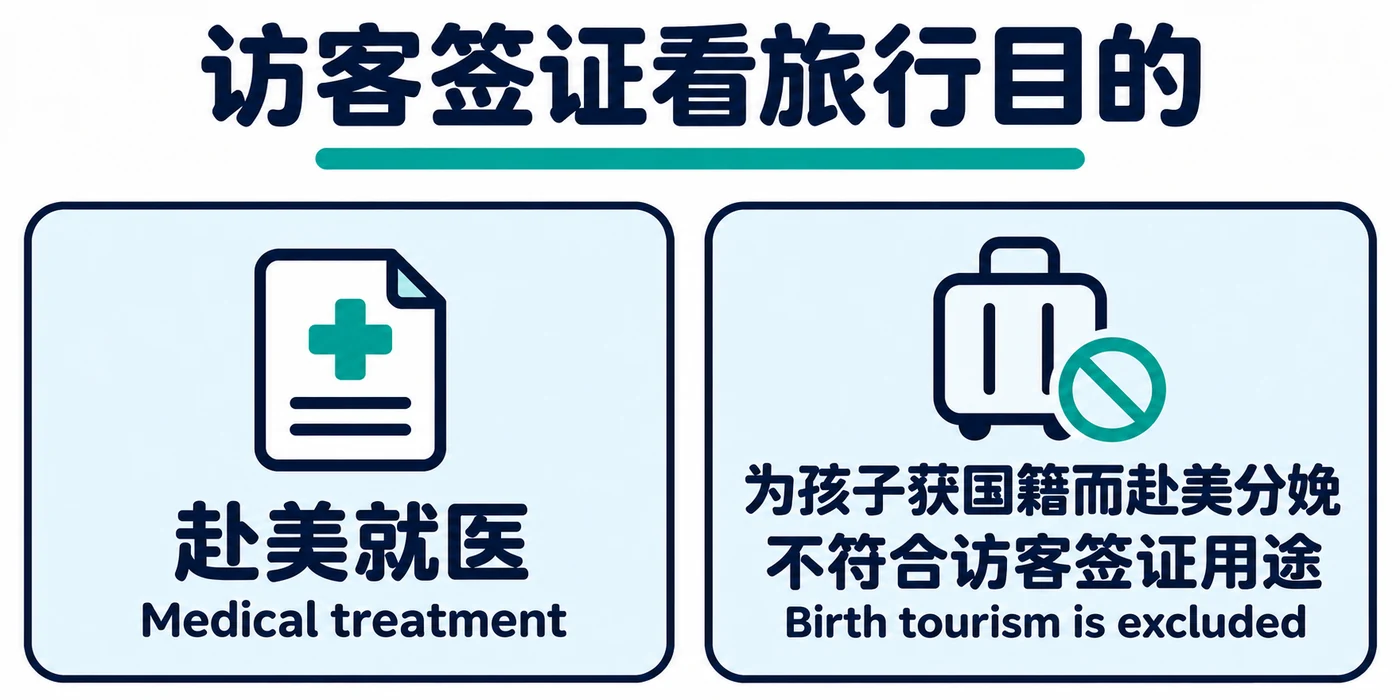
Under 22 CFR § 41.31(b)(2), tourism, visiting family and medical treatment are among the activities that may qualify for a visitor visa. Travel primarily to obtain U.S. citizenship for a child by giving birth in the United States is excluded. The State Department added that restriction in its final rule published on January 24, 2020.
The same provision says a B visa applicant is presumed to be traveling primarily to obtain citizenship for the child if a consular officer has reason to believe she will give birth during her stay. The final rule explains that an applicant may rebut that presumption by establishing a different, permissible primary purpose. These provisions govern consular adjudication of B visa applications. 22 CFR § 41.31 · 2020 final rule
One email each month when the bulletin lands. Unsubscribe anytime.
What medical travel applicants may be asked to show
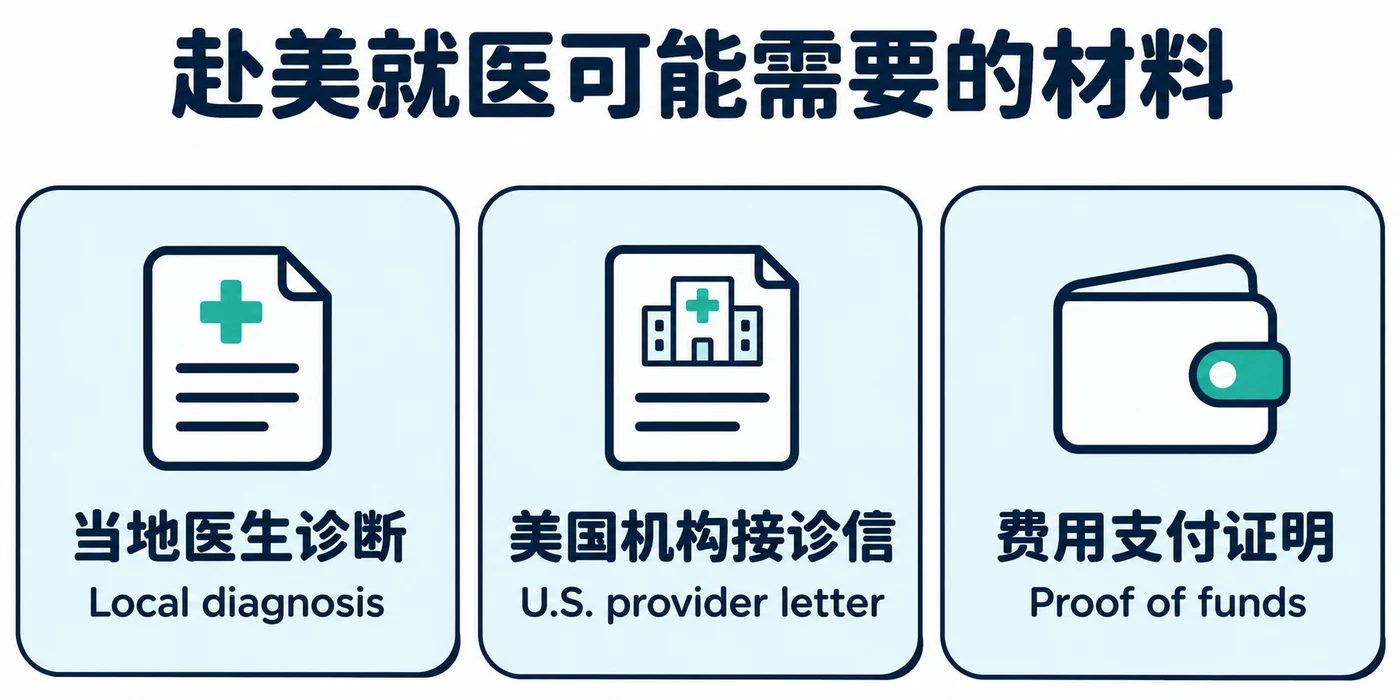
The regulation requires an applicant to establish a legitimate reason for seeking treatment in the United States, that a U.S. practitioner or facility has agreed to provide it, and a reasonable estimate of the visit's duration and costs. The applicant must also establish lawful means and intent to pay for treatment and related transportation and living expenses, either independently or with prearranged assistance. The rule calls for denial under INA § 214(b) if the applicant cannot establish these requirements to the consular officer's satisfaction. 22 CFR § 41.31(b)(2)(ii)
The State Department lists three examples of documents a consular officer may request. A local doctor's diagnosis can explain the condition and why U.S. treatment is sought. A letter from the doctor or facility in the United States can confirm agreement to treat the condition and estimate the length and cost of treatment. Financial records from the applicant or the person or organization paying can document funds for treatment, transportation and living expenses. State Department visitor visa guide
A visa and a decision at the port of entry
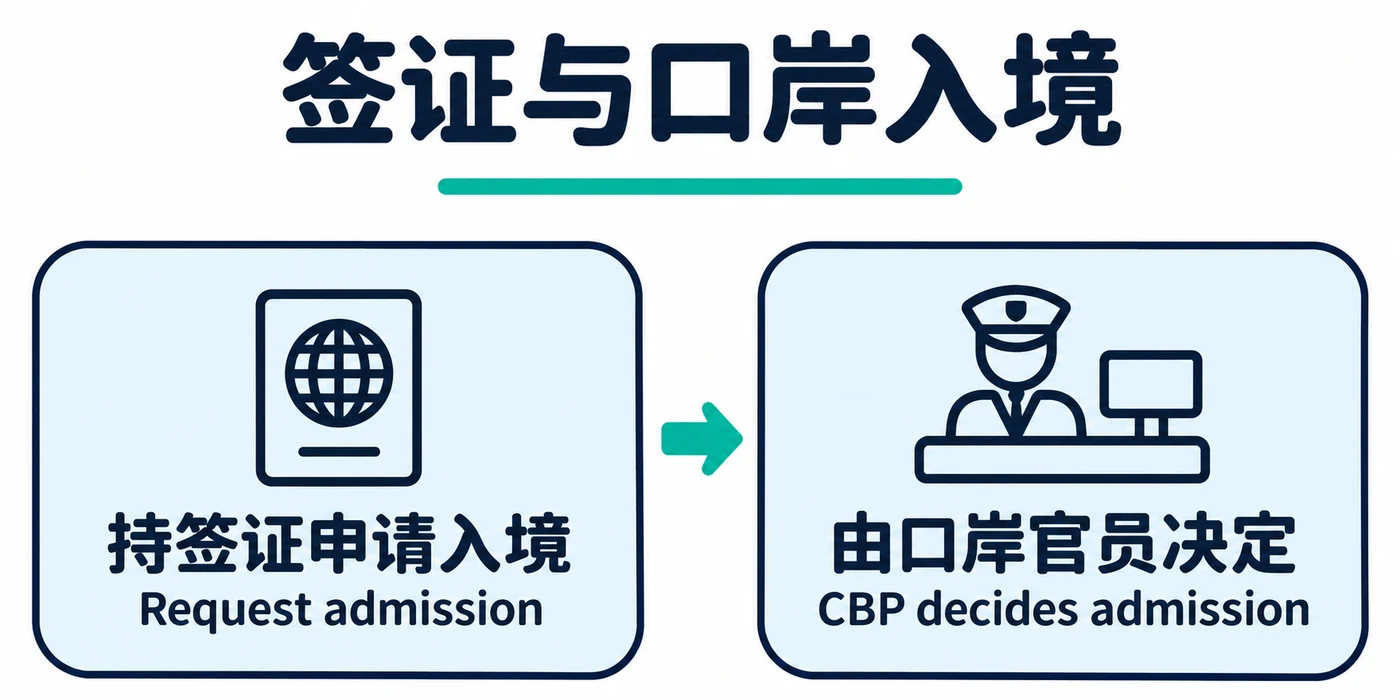
The State Department explains that a visa allows a traveler to go to a U.S. port of entry and ask to enter. Customs and Border Protection decides admission at the port. If you receive a revocation notice, check which visa it identifies and use the issuing embassy or consulate's official contact information to resolve questions about the notice. A qualified U.S. immigration lawyer can review case-specific questions about eligibility, revocation or admission. State Department visitor visa guide